
Click HERE To Buy Robaxin Online ↓
 Robaxin Vs Other Muscle Relaxants: Comparison
How Robaxin Works Compared to Alternatives
Imagine waking from a cramp that feels impossible to soothe; some drugs act like a dimmer, others like a circuit reset. Robaxin (methocarbamol) quiets overactive motor pathways centrally, lowering muscle spasm intensity without targeting a single receptor, so relief can feel steady. Alternatives take different routes: baclofen modulates GABA-B receptors, tizanidine reduces excitatory signals via alpha-2 receptors, and cyclobenzaprine works at brainstem centers. 😊 Side effects occassionally arise, including fatigue.
Clinically, choosing between agents hinges on mechanism, side-effect profile and patient goals; some prefer a quicker, receptor-specific action while others want broader central suppression. Practical factors — interaction risk, sedation and liver clearance — shape decisions and recovery plans. Considerations are personalized by age, driving needs and co-medications. Talk to your clinician to match risks and benefits and to monitor tolerability closely. Quick summary below. 💡
| Drug | Target |
|---|---|
| Methocarbamol | CNS |
Effectiveness Comparison: Symptom Relief and Recovery

A patient’s story can show how robaxin compares: a runner wakes with tight hamstrings, takes a short course, and sees quick spasm reduction but modest mobility gains. Clinicians say central agents ease acute tightness rapidly, while others treat pain or tone.
Head-to-head trials show variable outcomes: some regain function faster with carisoprodol or cyclobenzaprine, others respond better to methocarbamol for tolerability. Teh choice hinges on cause, comorbidities and rehab intensity; drugs alone rarely suffice without therapy support.
Balancing speed of relief against duration and side effects is key. For many, robaxin offers effective spasm control with a favorable safety profile, but it works best paired with physiotherapy for sustained recovery and realistic patient expectations too.
Side Effects Profile: Weighing Risks and Safety
A quick anecdote: a patient tried robaxin after a sprain and noticed relief within days, yet wondered about safety trade-offs. ⚖️ And recovery expectations vary.
Common reactions include drowsiness, dizziness, and nausea, while serious but rare effects demand prompt attention from clinicians. ⚠️ Report severe signs promptly.
Compared to other relaxants, robaxin’s profile can be gentler for some, but interactions with alcohol or opioids raise concern. Occassionally monitoring is advised regularly reviewed.
Decisions blend efficacy, comorbidities, and tolerance; discuss history and meds with your prescriber to balance benefit and risk and follow-up.
Dosage, Duration, and Practical Administration Differences
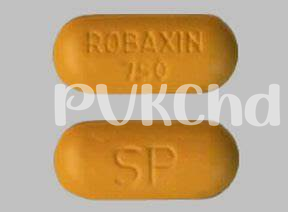
When Julia left the clinic she clutched a bottle and a simple schedule, realizing how different muscle relaxants feel in daily life. Some drugs need many small doses; others, like robaxin, are given two to four times a day with even spacing to balance relief and alertness. Short-acting agents ease acute spasms quickly, while longer-acting ones aim for steady control — so timing around work, sleep and exercise matters. 😊
Practical care depends on length of therapy and dose adjustments: many courses are short, some continue with review, and treatment may be tapered or stopped if side effects occassionally appear. Lower doses used often in older adults or those with kidney or liver impairment, and prescribers watch for interactions that increase sedation. If a dose is missed take it when remembered unless near the next dose; don't double up. 🩺
Cost, Accessibility, and Insurance Coverage Considerations
Pricing often shapes choices; stories of relief mix with bills. robaxin may be cheaper as a generic, easing sticker shock.
Insurance rules vary; prior authorization or copays can delay access 💊💸. Compare formularies to avoid surprises.
Pharmacies and telehealth options affect supply and price; patients Aquire alternatives or coupons, sometimes saving weeks.
| Drug | Typical cash price |
|---|---|
| Robaxin (generic) | $10 to $30 |
| Cyclobenzaprine | $5 to $20 |
| Methocarbamol | $8 to $25 |
| Tizanidine | $6 to $40 |
| Notes: | prices vary by plan |
Talk with your clinician and insurer to find the best, sustainable plan.
Choosing the Right Muscle Relaxant for You
I remember a patient who chose a muscle relaxant after nights of relentless spasms; we mapped goals, risks and routines before picking one. Consider age, medical history, and whether you need rapid relief or a med for ongoing therapy. 🩺
Compare how quickly each drug eases pain, sedation potential, interaction with alcohol or other meds, and recovery impact. Robaxin (methocarbamol) often causes less severe sedation than some alternatives, but efficacy varies person-to-person; monitor function at work and driving. Cost, formulary status, and allergy history also matter. 💊
Make decisions with your clinician, set a short trial, and reassess symptoms and side effects within days to weeks. Keep records of improvements and side effects, and ask about alternative therapies like physio. Teh final choice balances relief, safety, and your daily needs. PubChem Methocarbamol compound data source PubMed methocarbamol clinical studies listing