
Click HERE To Buy Propecia Online ↓
 Propecia Vs. Other Hair Loss Treatments: Pros and Cons
Understanding Propecia: Mechanism and Effectiveness
Propecia, scientifically known as finasteride, operates by inhibiting the conversion of testosterone to dihydrotestosterone (DHT), which is a primary factor in male pattern baldness. Originally developed as a treatment for enlarged prostate, its effectiveness in combating hair loss has been extensively documented. This medication is generally available via Rx, making it crucial to follow the prescribed Sig for optimal results.
Unlike topical treatments that often provide only localized effects, Propecia works systemically, ensuring a more comprehensive approach to hair regrowth. However, as with any medication, it's essential to consider potential side effects and individual responses.
| Propecia | Topical Treatments |
|---|---|
| Inhibits DHT production | Targets scalp directly |
| Systemic efficacy | Localized effect |
| Requires Prescription (Rx) | Often OTC available |
Comparing Propecia to Topical Treatments

Propecia, a Script medication known for its active ingredient finasteride, works systemically to combat hair loss. It prevents testosterone from converting into dihydrotestosterone (DHT), a hormone linked to balding. In contrast, topical treatments like minoxidil are applied directly to the scalp and typically require daily use. Minoxidil works by stimulating hair follicles to promote growth but doesn't affect hormone levels.
When choosing between Propecia and topical scalp treatments, consider the convenience and effectiveness of each option. Propecia, taken orally, offers a straightforward daily regimen, although it requires a prescription and adherence to Sig directions. Topical treatments, often OTC, appeal to those wary of systemic medications but can be more time-consuming.
Cost is another factor. Topical solutions generally have a lower upfront cost but can become more expensive over the long term. Propecia, though initially pricier, may offer better cost-to-benefit ratio when considering long-term hair regrowth success. Depending on insurance coverage, the Sticker Shock of Propecia might be mitigated, while OTC topicals offer consistent out-of-pocket spending but can lead to variable results.
Propecia Vs. Natural Remedies: Pros and Cons
Propecia, a popular script for hair loss, works by inhibiting the conversion of testosterone to DHT, a process linked to male pattern baldness. On the other hand, natural remedies like saw palmetto or rosemary oil rely on anecdotal evidence and lack the rigorous testing Propecia has undergone. However, natural options often appeal for being side-effect-free and more aligned with holistic health approaches.
When weighing the pros and cons, it’s crucial to follow the sig and understand each treatment's mechanism. Propecia offers more statistically significant results but comes with potential side effects like sexual dysfunction. Natural remedies might be slower to show results but provide a gentler, more integrated approach to hair care.
Cost Analysis: Propecia and Other Treatments
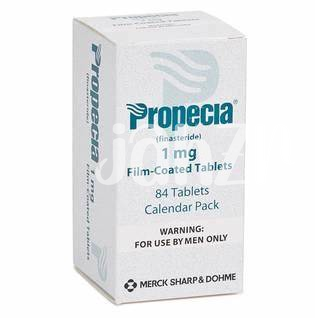
When evaluating the cost of Propecia compared to other treatments, it’s essential to consider both the initial expense and long-term value. Propecia, being a branded medication, typically carries a higher cost, which can result in some serious sticker shock at the pharmacy counter. However, the consistent efficacy of Propecia might justify its price for many users. On the other hand, generics and OTC topical treatments like minoxidil offer more budget-friendly alternatives. For those willing to follow a sig regimen, compounded medications might also provide a cost-effective solution.
While the immediate expense for Propecia can be daunting, the lack of a need for frequent applications, unlike some topical treatments, adds convenience and potential long-term savings. Additionally, exploring generics could significantly reduce costs. However, it’s crucial to balance the allure of lower prices with the actual outcomes you’re seeking. Ultimately, consulting a white coat about your specific condition can help you determine the most cost-effective route. Involving a Pharm Tech for a meds check can also guide your decision on whether to invest in Propecia or opt for differently priced alternatives.
Potential Side Effects: Propecia Vs. Alternatives
Propecia, a well-known Rx for hair loss, might lead to side effects such as sexual dysfunction and hormonal changes. On the other hand, topical treatments typically stay on the surface and might only cause localized reactions, such as scalp irritation. The immediacy with which Propecia acts internally contrasts with the slower, outward pace of topical therapies.
| Treatment | Typical Side Effects | Severity | |------------------|---------------------------------------|----------------------| | Propecia | Sexual dysfunction, hormonal changes | Moderate to severe | | Topical Treatments| Scalp irritation | Mild | | Natural Remedies | Allergic reactions, minimal efficacy | Mild |
Natural remedies, often perceived as safer due to their comp or herbal origins, could still cause allergic reactions—though generally milder compared to Propecia. Ultimately, the choice boils down to weighing immediate results and side effects, guiding you on your journey to regain hair health stat.
Choosing the Right Hair Loss Treatment for You
Selecting an appropriate hair loss treatment can feel overwhelming with the myriad of options available, but understanding your specific needs and medical history is pivotal. Whether you’re leaning towards the ease of an oral Script like Propecia or considering the more hands-on approach of topical treatments, personalized solutions often yield the best results. Consulting a trusted healthcare provider can help decipher the best Sig for your condition and lifestyle.
Moreover, cost is a significant factor; while Propecia might bring Sticker Shock, generics or compounded medications could offer a more affordable route. Balancing effectiveness with budget is key. Ultimately, prioritizing your health, comfort, and long-term goals will guide you to the most suitable choice.