
Click HERE To Buy Augmentin Online ↓
 Exploring Common and Rare Side Effects of Augmentin
Understanding Augmentin: What Is This Medication?
Augmentin, a widely prescribed antibiotic, is the result of combining amoxicillin and clavulanic acid. Its primary purpose is to combat bacterial infections such as sinusitis, pneumonia, and urinary tract infections. By inhibiting bacterial cell wall synthesis and counteracting resistance mechanisms, it effectively treats stubborn bacterial strains. Understanding its dual-component formula is crucial, as it enhances the efficacy of amoxicillin against bacteria that produce beta-lactamase, an enzyme that can render antibiotics ineffective.
| Component | Function |
|---|---|
| Amoxicillin | Works by disrupting bacterial cell wall formation |
| Clavulanic Acid | Inhibits beta-lactamase, an enzyme that neutralizes some antibiotics |
How Augmentin Works: a Brief Overview
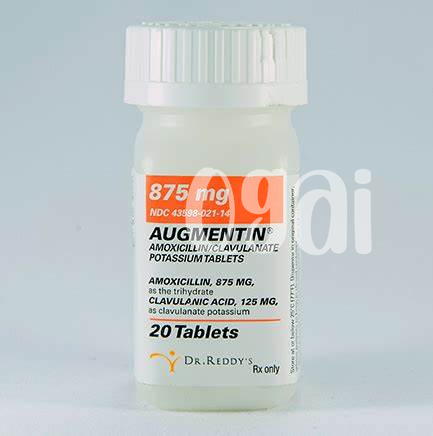
Augmentin, a versatile antibiotic, combines amoxicillin with clavulanic acid to combat bacterial infections effectively. Amoxicillin, a penicillin-based antibiotic, targets bacterial cell walls, weakening them and ultimately destroying the bacteria. However, some bacteria produce an enzyme called beta-lactamase, which can break down amoxicillin, rendering it ineffective. This is where clavulanic acid comes into play. By inhibiting beta-lactamase, clavulanic acid protects amoxicillin from being destroyed, allowing it to work efficiently against resistant bacteria. This synergistic action makes Augmentin particularly effective in treating a variety of infections, from respiratory to skin infections. Understanding this mechanism highlights why Augmentin is often preferred for complicated bacterial infections.
Differentiating Common from Rare Side Effects
Augmentin, a widely used antibiotic, can bring relief but also presents a range of side effects. Understanding the difference between common and rare side effects is crucial for users. Common side effects are those experienced by a larger portion of individuals and are generally mild, such as stomach upset or diarrhea. These effects, while uncomfortable, often resolve without further complications.
In contrast, rare side effects occur infrequently and may indicate a more serious reaction, such as an allergic response or liver dysfunction. These require immediate attention due to potential severity. Recognizing the distinction between common and rare side effects empowers patients to make informed decisions about their health.
Common Side Effects: What to Expect

When taking Augmentin, patients often experience a few common reactions as their bodies adjust to the medication. Notably, gastrointestinal issues such as nausea, vomiting, or diarrhea are among the most frequently reported side effects. Additionally, some individuals might notice a mild skin rash or slight itching. These symptoms usually remain mild and tend to resolve as treatment progresses.
Headaches and dizziness may also occur in some cases, typically proving to be temporary discomforts. It's crucial to drink plenty of fluids and rest to manage these symptoms effectively. If these side effects persist or intensify, consulting with a healthcare professional ensures you receive the right guidance and support.
Rare Side Effects: Uncommon but Important
Augmentin, a widely used antibiotic, can occasionally present rare side effects that, while infrequent, are crucial for patients to recognize. These side effects may manifest in ways that warrant immediate medical attention. For instance, serious allergic reactions like anaphylaxis can occur, marked by symptoms such as difficulty breathing, facial swelling, and a rapid heart rate.
| Rare Side Effects | Symptoms |
|---|---|
| Allergic Reaction | Difficulty breathing, facial swelling |
| Severe Skin Reactions | Blistering or peeling skin |
Other notable but rare issues include severe skin reactions and abnormal liver function tests. It's important for patients to be vigilant and consult their healthcare provider without delay if such symptoms arise.
When to Seek Medical Advice for Side Effects
Experiencing side effects while on Augmentin can be concerning, but knowing when to seek medical advice is crucial. If you're faced with mild side effects like nausea or diarrhea, monitoring your condition might suffice. However, if these symptoms persist or intensify, it's worth discussing with a healthcare professional. Trust your instincts; if something feels off, it's better to be safe. More urgent attention is necessary if you encounter severe side effects such as a severe rash, difficulty breathing, or signs of liver problems like jaundice. These could indicate an allergic reaction or other serious issues that require immediate intervention.
For more detailed information on Augmentin, visit [NIH's DailyMed page](https://dailymed.nlm.nih.gov/dailymed/drugInfo.cfm?setid=c3bfaf92-b0e5-42d6-85e5-2570824895bd) and [Mayo Clinic's Antibiotics Overview](https://www.mayoclinic.org/drugs-supplements/amoxicillin-and-clavulanate-oral-route/side-effects/drg-20072008).